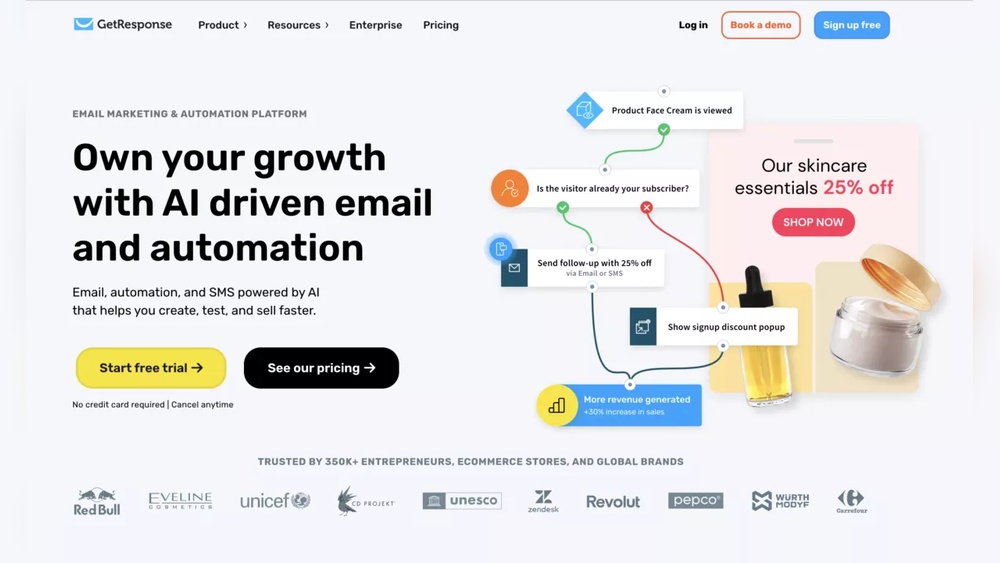

Imagine a tool that could transform how you connect with your audience, boost your sales, and save you hours of time. That’s the magic of automated email follow-up marketing.
Have you ever wondered how some businesses seem to effortlessly nurture their relationships with customers, keeping them engaged and loyal? It’s not magic—it’s a smart strategy that you can use too. With automated email follow-up marketing, you can send personalized messages to your subscribers without lifting a finger.
It works quietly in the background, ensuring your audience receives timely and relevant content that keeps them coming back for more. You might be asking, “How exactly does this work, and can it really benefit my business? ” You’ll discover how this powerful tool operates, the benefits it can bring to your marketing efforts, and how you can implement it seamlessly. Let’s dive into the world of automated emails and uncover how you can harness this technology to grow your business.
Automated Email Follow-up Basics
Automated email follow-up marketing is a powerful tool. It allows businesses to engage with their audience without constant manual effort. This process involves sending pre-scheduled emails to subscribers. These emails reach customers based on specific triggers or time intervals. Understanding the basics helps in leveraging this tool effectively.
Key Features
Automated email systems offer several key features. They allow personalized messages based on user behavior. You can segment your audience for targeted communication. Scheduling ensures timely delivery of emails. Analytics provide insights into email performance. These features work together for efficient marketing.
Benefits For Businesses
There are many benefits for businesses using automated follow-up emails. Consistent engagement with customers becomes easier. It saves time and reduces manual workload. Businesses can maintain a personal touch with automation. Increased customer retention and satisfaction are other advantages. Overall, it supports growth in a structured way.
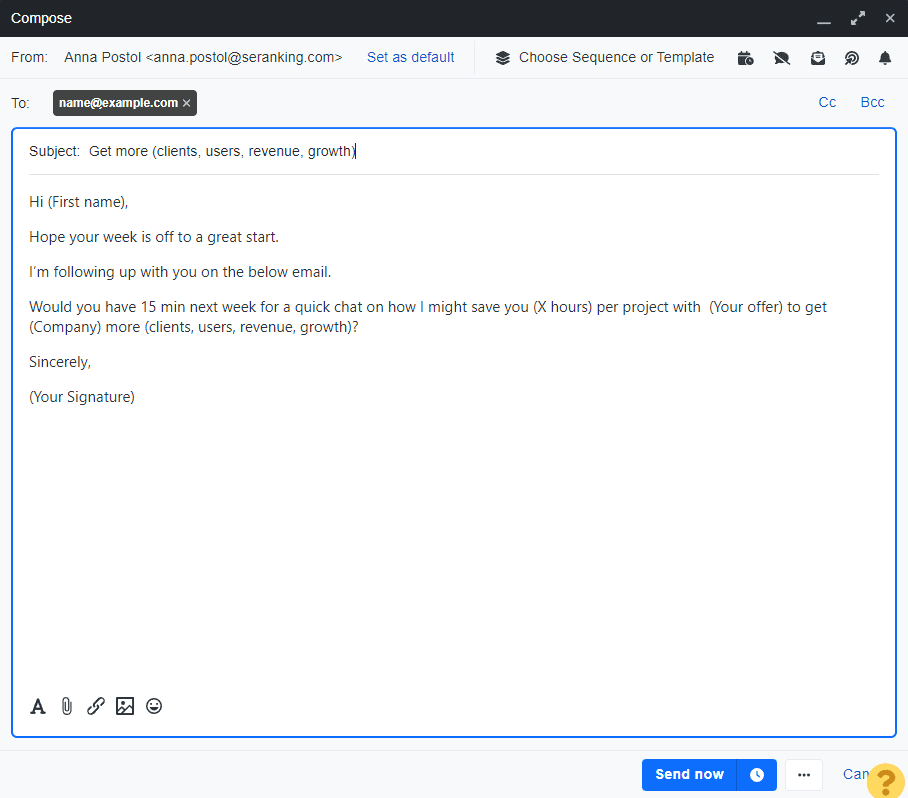
Credit: seranking.com
Building Effective Email Campaigns
Creating effective email campaigns is crucial for successful automated follow-up marketing. These campaigns engage recipients, boost open rates, and increase conversions. A well-crafted campaign requires attention to content and personalization. Let’s explore how to build them effectively.
Crafting Compelling Content
Content is the heart of any email campaign. It should be relevant, clear, and engaging. Start with a strong subject line that grabs attention. Keep the message concise, focusing on one key point. Use simple language to ensure understanding. Include a clear call-to-action to guide the reader. Visual elements, like images or infographics, can enhance the message. Ensure they support the content, not distract from it.
Personalization Strategies
Personalization makes emails feel more relevant and engaging. Use the recipient’s name in the subject line or greeting. Segment your audience based on interests or behaviors. Tailor content to match each segment’s needs. Personalized emails often see higher open and click-through rates. Dynamic content can change based on user data, making emails more relevant. This approach builds stronger connections with your audience.
Timing And Frequency
Timing and frequency are key elements in automated email follow-up marketing. They determine how well your emails resonate with recipients. A well-timed email can engage and convert, while poor timing can lead to unsubscribes. Frequency is also crucial. Too many emails can annoy, while too few might lead to missed opportunities. Understanding these concepts helps optimize your email strategy.
Optimal Sending Times
Sending emails at the right time boosts engagement. People check emails at specific times. Early morning is popular. Many check emails before starting work. Midweek days like Tuesday and Thursday are ideal. They avoid Monday blues and Friday distractions. Evening emails work for leisure readers. Testing different times helps find the perfect slot.
Balancing Frequency
Email frequency affects audience perception. Frequent emails can overwhelm. This leads to unsubscribes. Less frequent emails risk audience forgetting you. Balance is key. Weekly updates keep your brand fresh in minds. Monthly newsletters offer detailed insights. Understand your audience’s preference for frequency. Adjust based on feedback.
Segmentation Techniques
Segmentation techniques are crucial in automated email follow-up marketing. They allow you to tailor your messages to specific groups within your audience, enhancing engagement and conversion rates. By understanding your audience better, you can send emails that resonate with their needs and interests.
Audience Analysis
How well do you know your audience? Identifying key characteristics and behaviors is the first step in effective segmentation. Use tools like surveys or analytics to gather data on demographics, purchase history, and browsing behavior. This helps you create detailed profiles of your subscribers.
Think about how these profiles can guide your email strategy. Are you addressing the needs of a young, tech-savvy group or a more traditional audience? Knowing this allows you to craft messages that speak directly to their preferences.
Targeted Messaging
Once you’ve analyzed your audience, use that information to create personalized content. Tailored messages show your subscribers that you understand them. This increases the chances they’ll engage with your emails.
Consider crafting emails that address specific pain points or interests. For example, if a segment of your audience is interested in eco-friendly products, highlight those in your follow-up emails. This approach fosters trust and makes your communication more relevant.
Have you ever received an email that felt like it was written just for you? That’s the power of targeted messaging. It can make your subscribers feel valued and understood, encouraging them to take action.
Tools And Software
Automated email follow-up marketing streamlines communication with customers. It sends pre-scheduled emails to maintain engagement and nurture leads. This tool ensures timely interactions, boosting customer retention without manual effort.
Automated email follow-up marketing is only as effective as the tools and software you choose. These digital companions streamline your efforts, ensuring timely and personalized communication with your audience. Selecting the right platform can significantly impact your campaign’s success, saving you time and maximizing engagement.
Popular Platforms
Many platforms are available, each with its unique features and benefits. Mailchimp is a favorite for its user-friendly interface and powerful automation capabilities. ActiveCampaign offers robust CRM integration and advanced segmentation, while HubSpot provides a comprehensive marketing suite for those looking to consolidate their marketing efforts. Have you tried ConvertKit? It’s excellent for creators and bloggers who need simple yet effective automation. If you’re looking for extensive customization, GetResponse might be your go-to with its flexible design options and powerful analytics.
Integration Options
Integration is crucial for seamless workflow and enhanced productivity. Tools like Zapier help you connect your email platform with countless other apps, enabling automated actions across your tech stack. Imagine updating your CRM as soon as a customer opens an email or purchases a product. Consider how your email marketing tool integrates with e-commerce platforms like Shopify or WooCommerce. This can automate follow-ups after a sale or abandoned cart reminders. What tools do you currently use that could work better together? The right integrations can transform a basic follow-up into a sophisticated marketing engine. Take stock of your existing software and explore how they can interlink, enhancing your strategy and results.
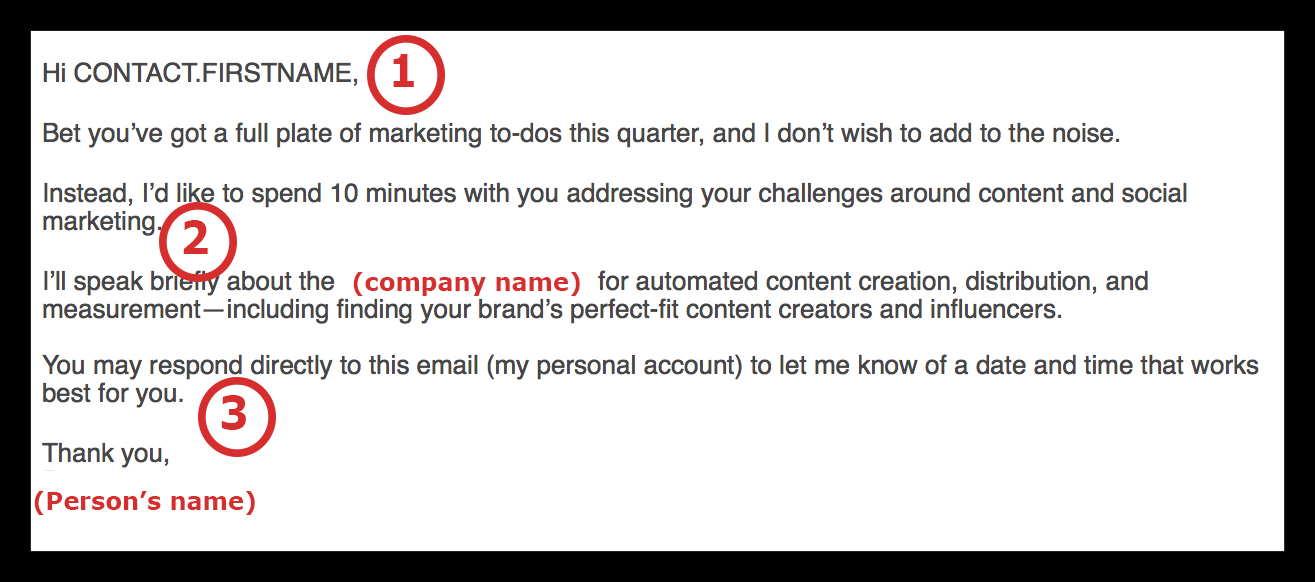
Credit: leadg2.thecenterforsalesstrategy.com
Measuring Success
Measuring success in automated email follow-up marketing is essential. It helps businesses understand the impact of their campaigns. With clear insights, you can refine strategies and maximize results. This section explores key metrics and methods for adjusting campaigns to achieve optimal outcomes.
Key Metrics
Tracking specific metrics reveals how well your email follow-ups perform. Open rates indicate how many recipients view your emails. Click-through rates show the number engaging with your content. These metrics help determine the effectiveness of your email subject lines and content. Conversion rates measure the percentage of recipients taking desired actions. This could be purchasing a product or signing up for a service. Monitoring these metrics allows you to identify strengths and areas for improvement.
Adjusting Campaigns
Adjusting campaigns based on metric analysis is crucial. If open rates are low, consider revising subject lines. A compelling subject can attract more attention. If click-through rates need improvement, enhance your call-to-action. Make it clear and enticing. Evaluate the email content for relevance and clarity. Regularly test different approaches to find what resonates with your audience. Small adjustments can lead to significant improvements in campaign success.
Case Studies
Automated email follow-up marketing is a game-changer for businesses seeking to maintain engagement with their audience without constant manual effort. But how does it truly impact businesses? Let’s dive into case studies where companies have harnessed its potential, revealing success stories and lessons learned.
Success Stories
Consider a small online retailer struggling to keep customers returning after their first purchase. They implemented automated follow-up emails, offering personalized recommendations based on previous purchases. Within three months, they saw a 25% increase in repeat sales.
Another example is a software company that used automated emails to onboard new users. They crafted a series of welcoming messages packed with tips and tutorials. The result was a 40% reduction in churn rate and higher user engagement. The emails created a sense of community and support.
These examples highlight how automated follow-ups can drive sales and strengthen customer relationships. What could personalized, timely communication do for your business?
Lessons Learned
While success stories abound, there are always lessons in the details. One company learned that timing is crucial. Sending follow-up emails too soon led to unsubscribes, while waiting too long resulted in lost opportunities.
Another found that personalization is key. Generic emails had lower engagement rates. Tailoring messages to individual preferences increased click-through rates significantly. This underscores the importance of understanding your audience.
Both cases teach valuable lessons: timing and personalization are pivotal in automated email follow-ups. Are you tailoring your communication to maximize impact?
Through these case studies, you can see the real-world effects of automated email follow-up marketing. It’s not just about sending messages; it’s about sending the right message at the right time. How will you leverage these insights to enhance your strategy?
Future Trends
Automated email follow-up marketing sends pre-written emails to customers at set times. It helps businesses stay in touch and boost sales. This method uses tools to track customer actions and send relevant messages, making communication easier and more effective.
As businesses continue to embrace technology, the landscape of automated email follow-up marketing is rapidly evolving. Staying ahead of future trends is crucial for maintaining a competitive edge. Let’s dive into what’s on the horizon and how these changes can impact your marketing strategies.
Ai Integration
Artificial intelligence is becoming a game-changer in email marketing. AI can help you craft personalized emails that resonate with your audience by analyzing their behaviors and preferences. Imagine being able to send an email that feels like it was written just for the recipient. AI can also optimize sending times, ensuring your emails land in inboxes when recipients are most likely to engage. It saves time and boosts open and conversion rates. With AI, you can also predict future behaviors, allowing you to tailor your follow-up strategies more effectively.
Evolving Consumer Expectations
Today’s consumers expect more than generic emails. They crave personalized experiences that speak to their individual needs and preferences. As consumer expectations evolve, so must your approach to email marketing. Consider your own experiences with brands—aren’t you more likely to engage with those that address you by name and suggest products you might actually want? To meet these expectations, leverage data analytics to understand your audience better and deliver relevant content. Ask yourself: Are your emails providing real value to your recipients? Consider segmenting your audience based on their interactions with your brand. This way, you can send targeted follow-ups that truly resonate and build trust. Embracing these trends can transform your email marketing campaigns. Are you ready to adapt and thrive in this ever-changing landscape?
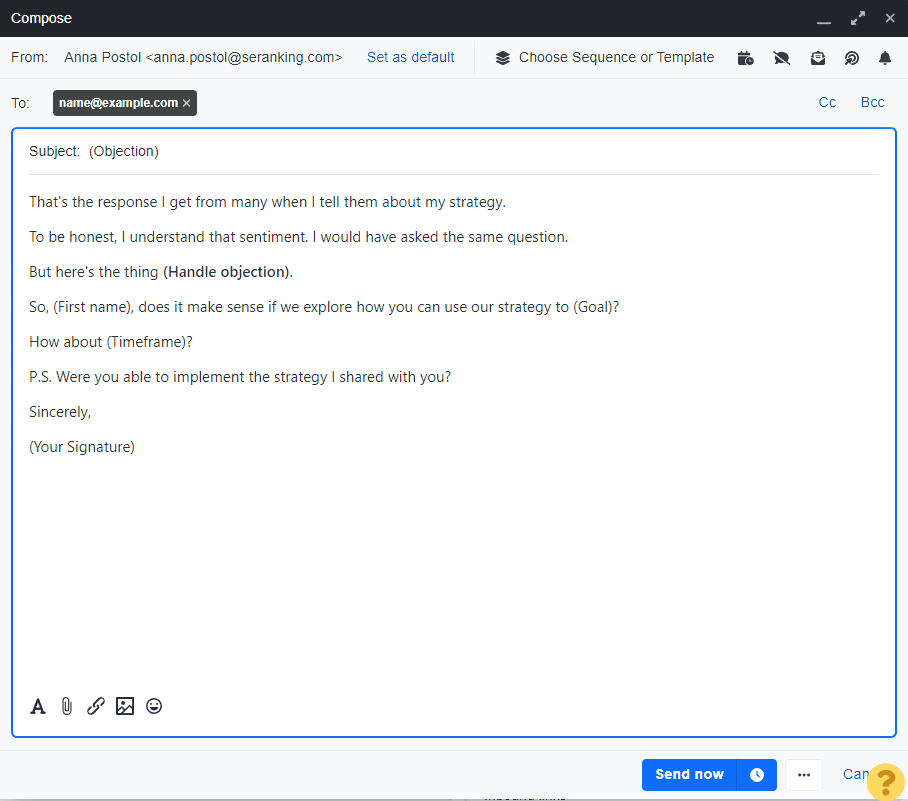
Credit: seranking.com
Frequently Asked Questions
What Is Automated Email Follow-up Marketing?
Automated email follow-up marketing is a system that sends pre-scheduled emails to subscribers. It targets specific actions or timelines, enhancing engagement. This approach helps nurture leads, build relationships, and increase conversions. By automating the process, businesses save time and ensure consistent communication with their audience.
How Does Automated Email Follow-up Work?
Automated follow-up works by using triggers to send emails automatically. These triggers can be based on user actions, such as signing up or making a purchase. The system sends personalized messages to keep users engaged, fostering a seamless customer journey.
This method increases efficiency and improves customer retention.
Why Is Follow-up Marketing Important?
Follow-up marketing is crucial for maintaining customer engagement and boosting conversions. It helps nurture leads and keeps your brand top-of-mind. By providing timely and relevant content, businesses can build stronger relationships with their audience. This ultimately leads to increased loyalty and higher sales over time.
Can Automated Follow-ups Increase Sales?
Yes, automated follow-ups can significantly increase sales. By sending timely and personalized messages, businesses can re-engage inactive customers and encourage repeat purchases. Automated follow-ups also help convert potential leads into loyal customers. This strategic approach drives revenue growth and enhances overall marketing effectiveness.
Conclusion
Automated email follow-up marketing saves time and boosts engagement. It helps businesses stay connected with their audience. Emails reach customers at the right moment. This method is efficient and cost-effective. Businesses can nurture leads without constant manual effort. Automation tools handle repetitive tasks.
This frees up time for creative strategies. Personalization makes emails more effective. With the right setup, businesses build stronger relationships. Automated emails keep communication consistent. This leads to better results over time. So, explore this marketing approach. It could improve your customer interactions.