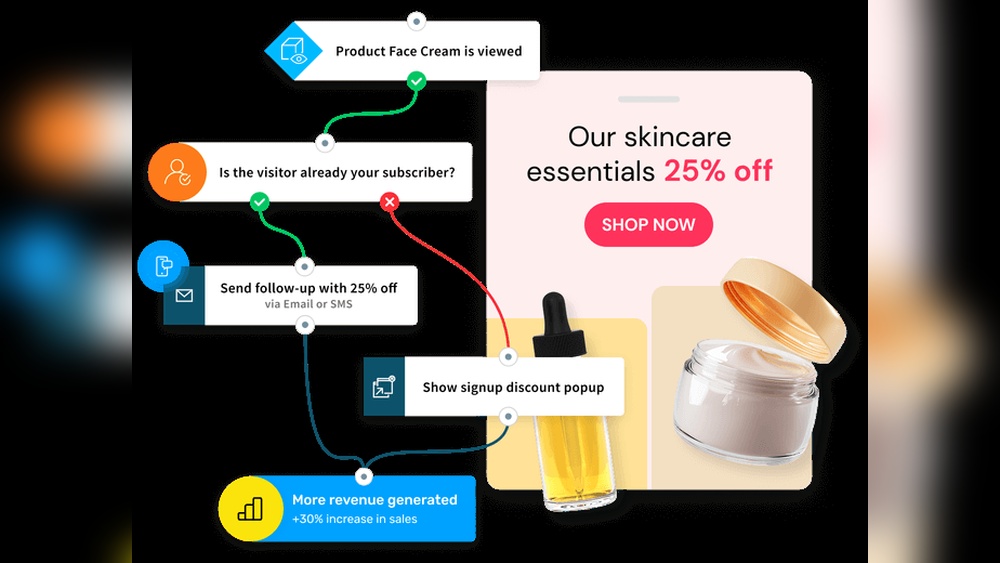

Are you curious about how businesses reach out to you through your inbox? Want to know how they craft those messages that grab your attention and make you click?
Email marketing is the secret sauce that helps businesses connect with you directly and effectively. But what exactly is email marketing, and how does it work? We’ll break down the essentials of email marketing in simple terms, specifically for our Bangla-speaking readers.
You’ll discover the strategies that businesses use to catch your eye and keep you engaged. So, if you’re ready to unlock the power of email marketing and see how it can impact your world, keep reading. You might just find the inspiration you need to start your own email marketing journey.
Email Marketing Basics
Understanding the basics of email marketing is essential for anyone looking to connect directly with their audience. It’s not just about sending messages; it’s about crafting meaningful interactions that can boost your business or personal brand. Think of email marketing as a tool that helps you reach out and engage with people who care about what you offer. But what exactly does it entail? Let’s break it down.
Definition And Purpose
Email marketing involves sending targeted messages to a group of people via email. The purpose is to build relationships, drive sales, and keep your audience informed. Imagine having a direct line to your customers where you can share updates, promotions, or just say hello. This form of communication is powerful because it’s personal and direct. It’s like having a conversation with a friend who trusts you.
Key Components
Effective email marketing has several key components. First, you need a well-defined audience. Who are you emailing? Knowing your audience helps you tailor messages that resonate with them. Next, your content must be engaging and valuable. Every email should offer something useful, whether it’s a tip, a discount, or news.
Another crucial element is the subject line. It’s the first thing your audience sees, and it can make or break whether they open your email. Make it catchy and relevant. Also, consider timing. When is the best time to send your emails? Experiment with different days and times to see what works best for your audience.
Lastly, track and analyze your results. Use analytics tools to see how your emails perform. Are people opening and reading them? Are they clicking on links? This data helps you refine your strategy and improve your campaigns. You learn what works and what doesn’t, allowing you to make informed decisions and boost your effectiveness.
Have you ever thought about how email marketing can transform your connection with your audience? It’s more than just a marketing tool; it’s a way to build trust and loyalty, one email at a time.

Credit: www.facebook.com
Benefits Of Email Marketing
Email marketing offers a cost-effective way to reach a large audience. It allows businesses to send personalized messages directly to potential customers’ inboxes, boosting engagement and conversion rates. Tracking and analyzing email campaigns help in understanding customer preferences and improving future strategies.
Email marketing is a powerful tool that can transform how you connect with your audience. It’s not just about sending messages; it’s about building relationships, driving sales, and fostering loyalty. Let’s dive into the benefits of email marketing and see why it should be a staple in your marketing strategy. ###Cost-effectiveness
Email marketing is budget-friendly. Unlike traditional advertising, you don’t need to spend a fortune to reach a vast audience. Consider a small business owner who wants to promote their new product. Instead of expensive ads, they can send an email to thousands of potential customers at a fraction of the cost. This means more bang for your buck, allowing you to allocate resources to other crucial areas of your business. Plus, with various email marketing platforms available, you can start with minimal investment. Many tools offer free plans with basic features, making it accessible even for startups. ###Direct Communication
Email marketing ensures a direct line to your audience. Unlike social media, where algorithms decide who sees your content, emails land straight in the inbox. This guarantees that your message reaches the people who matter most. Imagine sending a personalized email to your subscribers, addressing them by name, and offering them special discounts. It feels personal, like a conversation, rather than a generic broadcast. Your audience is more likely to engage with content that seems crafted just for them. This direct communication can foster trust and loyalty, building a community that feels valued and understood. Have you ever wondered why some marketing emails grab your attention while others don’t? It’s the personal touch and relevance that makes all the difference. Email marketing provides that opportunity, giving you the chance to connect on a deeper level. In the end, email marketing isn’t just about selling—it’s about creating meaningful interactions that last.Building An Email List
Email marketing involves sending messages to a list of subscribers. It’s an effective way to engage with your audience. Building an email list is crucial for reaching potential customers and sharing updates about your products or services.
Building an email list is crucial for effective email marketing. It serves as the foundation for your campaigns, connecting you directly with your audience. A strong list helps achieve better engagement and conversion rates. It ensures you reach the right people with your messages. Let’s explore some methods to collect emails and maintain list quality.Methods Of Collecting Emails
Collecting emails can be done in several ways. Using sign-up forms on your website is a popular method. These forms should be easy to find and simple to fill out. Offering valuable content like ebooks or newsletters encourages sign-ups. Hosting webinars is another effective strategy. Participants usually register with their emails. Social media can also be a tool. Sharing links to your sign-up forms reaches a wider audience. Partnering with other brands or influencers can expand your reach.Maintaining List Quality
Maintaining list quality is essential for successful campaigns. Regularly clean your email list to remove inactive subscribers. This keeps engagement rates high. Segmenting your list helps tailor messages to specific groups. Personalizing content increases relevance and connection. Ensure your emails comply with legal standards to avoid penalties. Use double opt-in methods to confirm subscriber interest. This reduces chances of spam complaints and improves trust.
Credit: www.facebook.com
Crafting Effective Emails
Email marketing involves sending targeted messages to groups of people. It helps businesses connect with customers through personalized emails. Effective emails boost engagement by addressing specific needs and interests.
Crafting effective emails is crucial in email marketing. The goal is to engage your audience. You want to encourage them to take action. Well-crafted emails can strengthen relationships with your subscribers. They can also boost your brand’s visibility and reputation. Let’s explore key elements of crafting effective emails.Subject Lines And Content
Subject lines are the first thing your audience sees. They should be short and catchy. Aim to grab attention instantly. Use action words and create curiosity. Keep it relevant to the email content. Avoid spammy words that could trigger filters. The content must follow through on the subject line’s promise. It should be clear and concise. Provide value with useful information or offers. Structure the email with headers and bullet points. This makes it easy to read. Always include a clear call-to-action. Encourage the reader to engage further.Personalization Techniques
Personalization is key to connecting with your audience. Use the recipient’s name in the greeting. This simple touch makes the email feel personal. Segmentation can enhance personalization. Group your audience based on interests or past behaviors. Tailor your content to these segments for better engagement. Dynamic content can also personalize emails effectively. Adjust parts of the email based on the recipient’s data. This could be location, past purchases, or browsing history. Personalized emails often have higher open and click rates. They make the reader feel valued and understood.Automation In Email Marketing
Email marketing automation is a powerful tool. It streamlines communication with your audience. With automation, you can send timely messages. These messages are triggered by specific actions. This ensures relevance and enhances engagement. Automation saves time and increases efficiency. Now, let’s explore how to set up automated campaigns and track their success.
Setting Up Automated Campaigns
Begin with choosing an email marketing platform. Select one that supports automation features. Define your target audience clearly. This will help in creating relevant messages. Next, design your email templates. Ensure they are visually appealing and mobile-friendly. Set triggers for your emails. Common triggers include sign-ups or purchases. Schedule the timing for sending these emails. Test your emails before launching the campaign. Make sure everything works as expected.
Tracking And Analysis
Once your campaign is live, track its performance. Use analytics tools provided by your platform. Monitor open rates and click-through rates. These metrics show how engaging your emails are. Check conversion rates to measure success. Analyze the data to understand user behavior. Identify patterns and trends. Use this information to improve future campaigns. Make adjustments to enhance effectiveness. Keep experimenting to find what works best.

Credit: www.linkedin.com
Best Practices
Email marketing is an effective tool to connect with your audience. Following best practices ensures your efforts yield positive results. These practices help maintain a strong relationship with subscribers. They also improve your email campaigns’ performance and reach.
Ensuring Deliverability
Deliverability determines if your emails reach the inbox. Use a reputable email service provider. This helps avoid spam filters. Keep your email list clean. Remove inactive and incorrect addresses regularly. This reduces bounce rates and improves sender reputation.
Use double opt-in methods. This confirms subscribers truly want your emails. Personalize your subject lines. This attracts more opens. Monitor your email metrics. This helps identify deliverability issues early.
Legal Considerations
Understanding legal rules is crucial in email marketing. Comply with laws like the CAN-SPAM Act. This protects you from penalties. Always provide an unsubscribe link in your emails. This allows recipients to opt-out easily.
Include your physical address in every email. This builds trust and transparency. Respect privacy regulations. Ensure your subscribers know how their data is used. This fosters a sense of security.
Frequently Asked Questions
What Is Email Marketing?
Email marketing is a digital strategy to promote products or services via emails. It helps businesses connect with their audience, share updates, and drive sales. It involves sending targeted messages to a list of subscribers. This method is cost-effective and offers a high return on investment.
How Does Email Marketing Work?
Email marketing works by sending promotional emails to a list of subscribers. Businesses use email campaigns to share news, offers, or content. Subscribers receive emails based on their preferences and interactions. Tracking tools measure engagement, helping refine future campaigns for better results.
Why Is Email Marketing Effective?
Email marketing is effective due to its direct reach and personalization. It allows businesses to target specific audience segments. High engagement rates and measurable results make it cost-efficient. Emails can be customized to suit subscriber preferences, increasing relevance and response rates.
What Tools Are Needed For Email Marketing?
Email marketing requires tools like email service providers (ESPs) for managing campaigns. These tools help design, send, and track emails. Popular options include Mailchimp, Constant Contact, and SendinBlue. They offer features like automation, segmentation, and analytics to optimize marketing efforts.
Conclusion
Email marketing is a powerful tool for businesses. It helps connect with customers effectively. You can share updates, promotions, and more through emails. Personalizing emails makes them more engaging. Track results to improve your strategy. Analyzing data helps refine your approach.
Always focus on delivering value to your audience. Consistency is key. Regular communication builds trust over time. Remember, a clear message wins hearts. Email marketing is simple yet impactful. Start crafting your own emails today. See the difference in customer engagement.